
Regulation A Offering
Be the bank for the buildings that hold up Main Street.
All across America, older apartments and buildings need money to be fixed up and put back to work. Banks used to lend it — many no longer do. Now, through a Regulation A offering, everyday investors can step in, help rebuild neighborhoods, and earn interest doing it.
*Illustrative. Final minimum, security type, and terms are set by the offering circular. This is not an offer to sell any security.
Cumulative originations (~$520M) are historical, measured across Oak's managed funds; AUM (~$460M) describes current platform characteristics — not a projection or guarantee. '33 full-cycle loans' refers to Oak-originated core-portfolio loans. Past performance is not indicative of future results. Source: Oak internal records. For discussion purposes only · not an offer to sell or a solicitation to buy any security.

The Track Record
Oak didn't start with this offering. The platform has been lending, getting repaid, and rebuilding property for years.
Cumulative originations across Oak's managed funds — real money, into real buildings.
Loans made, managed, and paid back start to finish — proven across a full market cycle.
Three insurance companies — among the most careful lenders anywhere — fund the senior position.
Yearly mid-market real estate credit that banks walked away from — the opportunity Oak fills.
Firms listed reflect the prior career experience of Oak's team, not an endorsement by or affiliation with those firms; each must be individually substantiable in the diligence data room. '$300B+' is a third-party market estimate (Mortgage Bankers Association; Federal Reserve Z.1; CBRE), not an Oak projection. Past performance is not indicative of future results. For discussion purposes only · not an offer.
The Problem
To fix up an apartment building, the owner has to borrow money. For a long time, banks were the ones who lent it. After the 2008 financial crisis, new rules made banks stop lending on mid-sized buildings like these — the apartments, shops, and workplaces in most American neighborhoods. The buildings still need the money. The banks just don't hand it out anymore.
So who lends the money now? Mostly big institutions and insurance companies — and until recently, everyday people had almost no way to join them. That's the gap this offering is built to close.
Statements about market conditions are forward-looking and based on third-party data believed reliable (Mortgage Bankers Association, Federal Reserve, CBRE); they are subject to material risks and are not Oak projections. For discussion purposes only · not an offer.
Why It Works
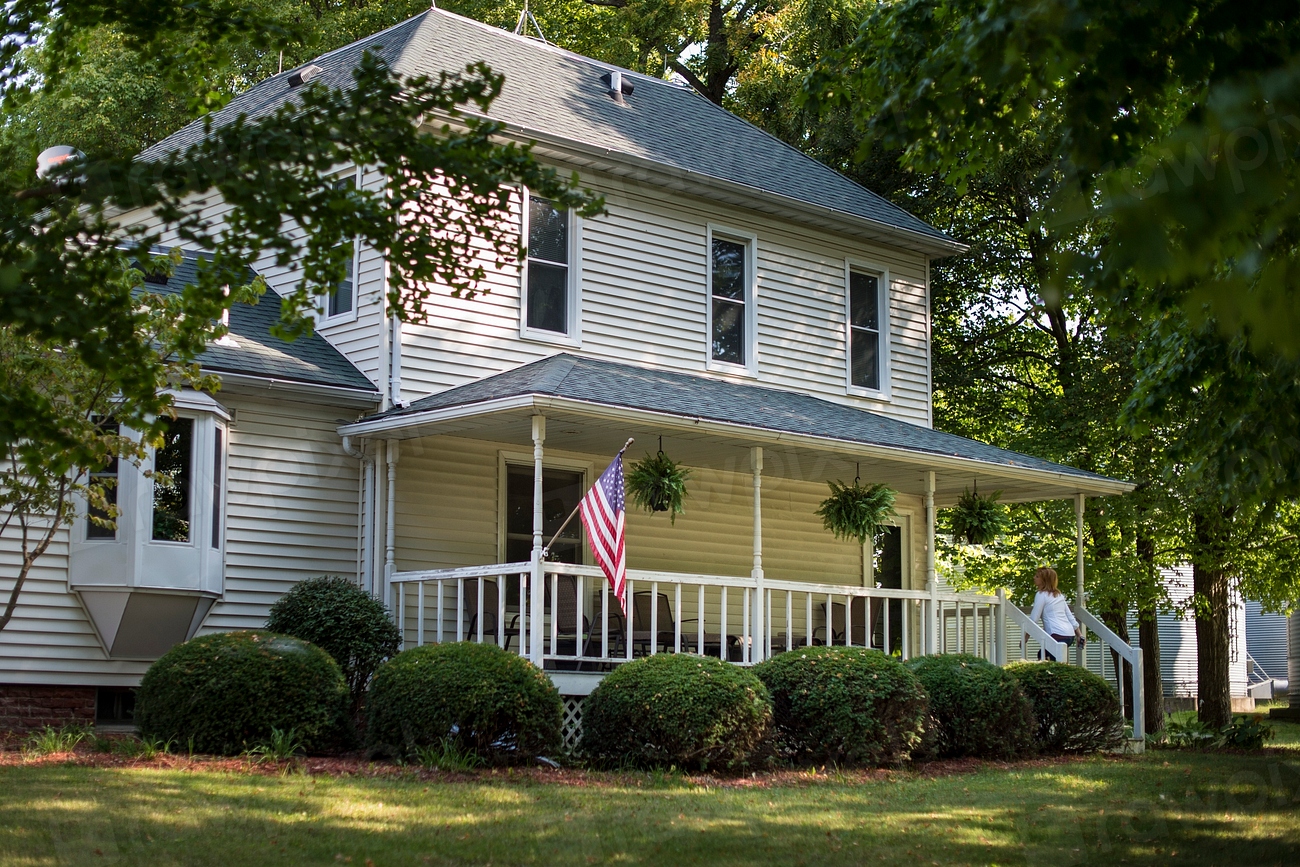
When a bank gives someone a loan to buy or fix a building, the bank earns interest — a little extra on top of the money it lent. For a long time, only big banks and the wealthy got to be on that side. This offering lets you be the bank instead.
Your money is pooled with others and lent to experienced builders ("sponsors") who fix up real buildings — apartments, shops, and workplaces that communities use every day.
Every loan is senior-secured and first-lien. In plain English: the building is the collateral, and if anything goes wrong, you get paid back before anyone else.
The builder pays interest on the loan — a bit like rent on the money you lent. That interest is how the investment aims to make money, over time.
Explained in simplified terms for general understanding. 'Senior-secured' and 'first-lien' describe Oak's underwriting standards and lien position on core-portfolio loans, not a guarantee against loss. All investments involve risk, including the possible loss of the entire amount invested. For discussion purposes only · not an offer.
How It Works
Here's the whole journey your money takes — start to finish.

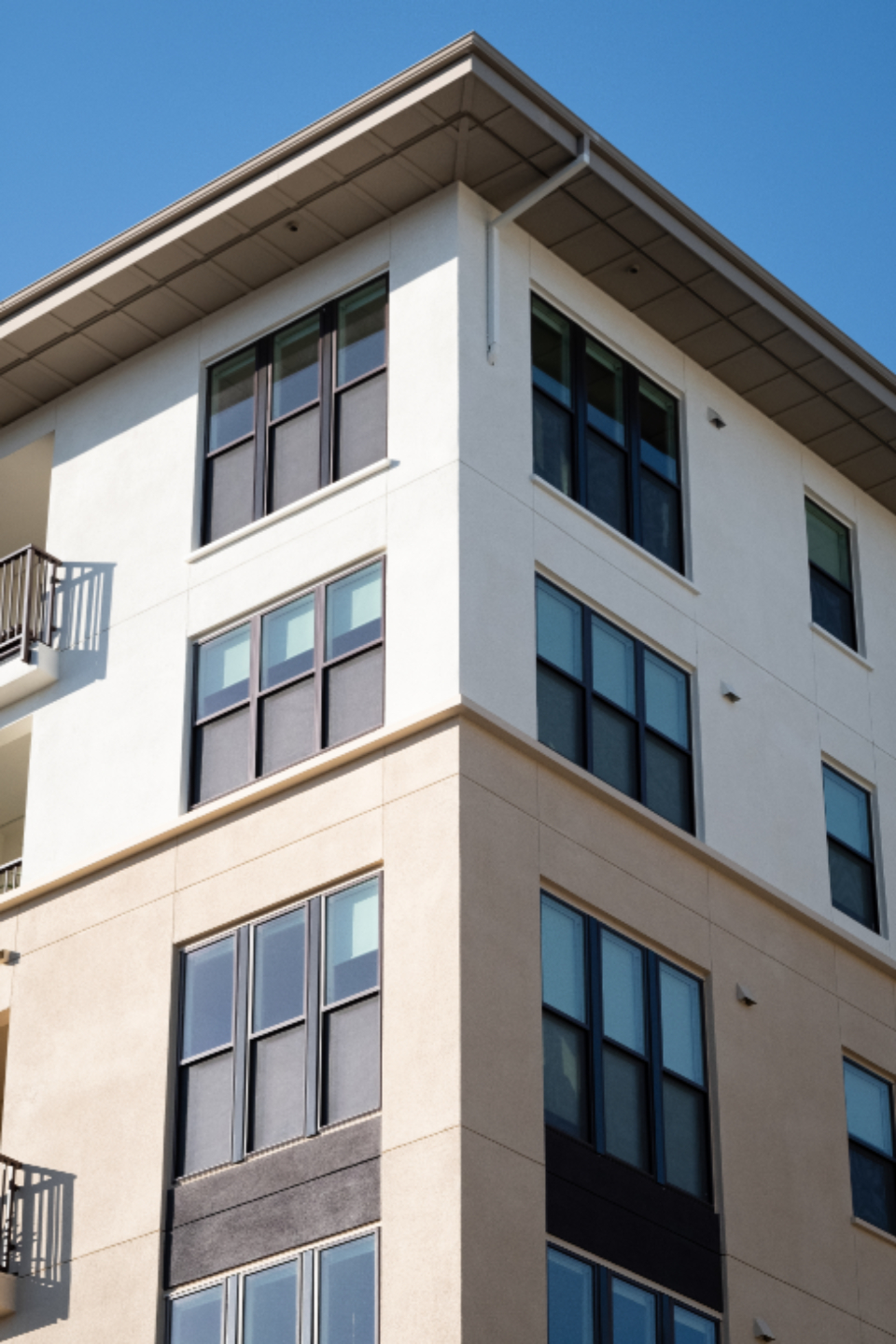
An older apartment building is run-down and half-empty. A builder has a plan to fix it up and bring families back — but needs money to do the work.
Through Oak, your investment becomes a loan to that builder. It's secured by the building itself, and you're first in line to be repaid.
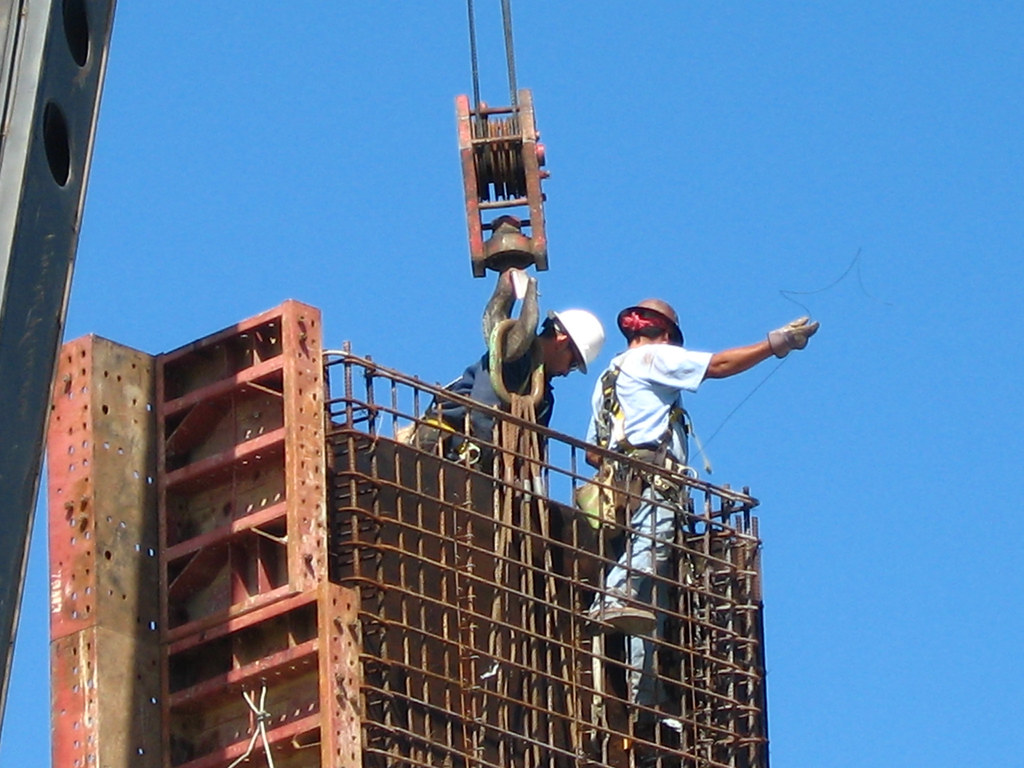
New roofs, safe wiring, fresh homes. Families move in. Local workers get hired for the renovation. The whole block starts to feel alive again.

The builder repays the loan — with interest. You earned a return, and a neighborhood got rebuilt because you helped fund it.
Better buildings. Stronger neighborhoods. A growing economy.
That's the backbone of America — and by investing in Oak, you help build it.
Illustrative example for general understanding; not a description of any specific loan or outcome. Loans carry risk, including borrower default and loss of principal; repayment and interest are not guaranteed. For discussion purposes only · not an offer to sell or a solicitation to buy any security.
Who Can Invest
Most private investments are closed to all but the wealthiest "accredited" investors. Regulation A is different — it's a type of SEC-qualified offering designed so that everyday Americans can invest too, often with a modest minimum. It's one of the few ways ordinary people get to own a piece of the private lending that has long been reserved for banks and institutions. Investment limits may apply based on your income and net worth.
A Regulation A offering, if made, would be made only by means of an offering circular following qualification of an offering statement on Form 1-A by the U.S. Securities and Exchange Commission. Eligibility, minimums and per-investor limits are set by the offering documents and applicable law. Any securities offered would be highly speculative, involve significant risk including loss of the entire investment, and be illiquid for an indefinite period. For discussion purposes only · not an offer.
The Team
The people underwriting every loan have built, scaled, and sold lending platforms before.








'150 years' is combined team experience and '$25 billion' is the team's aggregate career involvement in CRE financings — not Oak-originated volume (~$520M). Each named prior-experience firm must be individually substantiable in the diligence data room.
Get Started
Enter your details and we'll send the offering circular, the full terms, and simple next steps to invest. No commitment — just the information.
We'll email you the deck, the terms, and how to invest.
Check your inbox — we'll send the offering details and next steps shortly.
Submitting this form is for discussion purposes only; it is not an offer to buy or sell any security and creates no commitment.
Questions & Answers
Regulation A (sometimes called Reg A+) is a type of SEC-qualified public offering. Unlike most private deals — which are open only to wealthy "accredited" investors — a Reg A offering is designed so that everyday Americans can invest too. The company files an offering statement (Form 1-A) that the U.S. Securities and Exchange Commission reviews and qualifies before any investment is accepted.
Generally, anyone 18 or older can invest — both accredited and non-accredited investors. If you are not an accredited investor, federal rules limit how much you can invest in a 12-month period to 10% of the greater of your annual income or net worth. The offering documents spell out the exact requirements.
The minimum and any per-investor maximum are set by the offering circular. Enter your email above and we will send you the current terms and the full document set.
You would be investing in securities of an Oak vehicle whose purpose is to make senior-secured, first-lien loans against real commercial property. In plain terms: your money helps fund loans that are backed by real buildings, and Oak sits first in line to be repaid on each one.
The loans charge interest, which is the primary way the strategy aims to generate income, as described in the offering circular. Nothing is guaranteed. Every investment carries risk, including the possible loss of your entire investment. Past performance is not indicative of future results.
No. Investments like this are illiquid. There is generally no public market for the securities, and you should be prepared to hold for an indefinite period. Any liquidity would occur only as described in the offering circular.
All the details that matter — terms, risks, fees, and financials — live in the offering circular and related SEC filings (Form 1-A). Those documents control; this page is only a plain-English summary. Request the details above and we will point you to them.
The lead selling agent is Digital Offering, LLC, a member of FINRA/SIPC. Fees and expenses are disclosed in the offering circular. This page is for discussion purposes only and is not itself an offer to sell or a solicitation to buy any security.
This FAQ is a plain-language summary and is qualified in its entirety by the offering circular, which controls. It is not legal, tax, or investment advice. For discussion purposes only · not an offer to sell or a solicitation to buy any security.